The construction of new buildings and the refurbishment of existing facilities involve the installation of increasingly complex and costly building services. Over recent decades, the proportion of total construction costs attributable to building services and technology has increased, reaching approximately 25-30% of the overall cost of a building.
Given the variety of systems installed, it has become essential to equip buildings with dedicated systems for monitoring, controlling and automating their various technological components.
This has led to the development of the concepts of Building Automation and Control (BAC) and Building Management Systems (BMS).
Automation (BAC, or Building Automation and Control) refers to the combination of integrated technologies and systems that enable the automatic, centralised control of a building’s services, including heating, ventilation and air conditioning (HVAC), lighting, security and energy management.
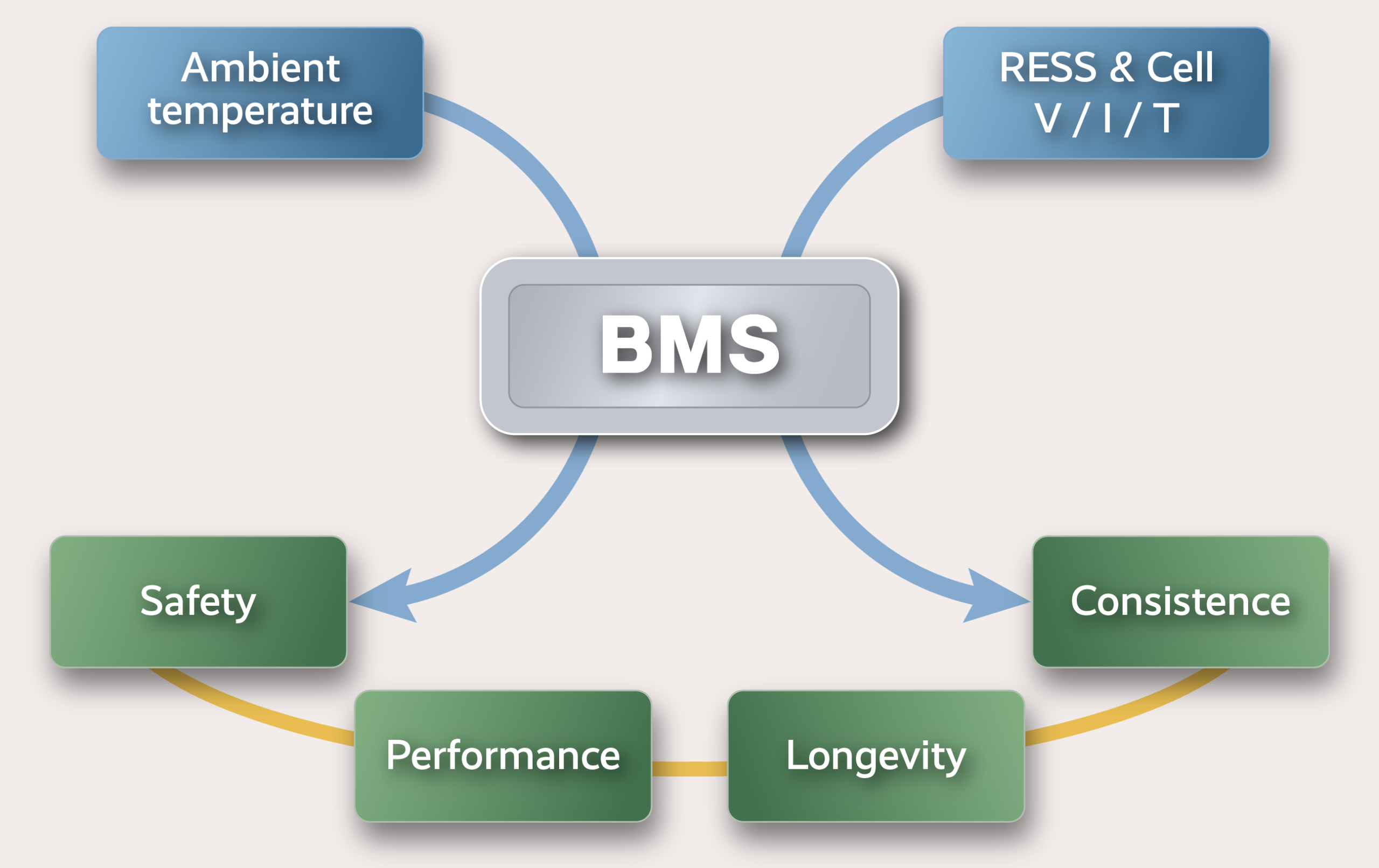
Monitoring and supervision (BMS, or Building Management System) involves the monitoring and management of a building’s mechanical and electrical equipment, including power supply systems, HVAC, lighting, fire protection and security systems.

BAC and BMS systems comprise hardware and software that enable building services to communicate with one another through common communication protocols. This allows data to be collected and enables the building to respond automatically to specific conditions or alert the user when intervention is required.
BAC/BMS systems operate across three main levels:
- Field level:Sensors are installed throughout the building to collect relevant data, including temperature, humidity, CO₂ concentrations, occupancy, indoor illuminance (measured in lux), smoke detection and other environmental parameters.
- Control level:The system operates according to predefined rules established by the design team, which are triggered when specific conditions are met. For example, when smoke is detected in a particular area, the fire detection system activates the fire alarm. Similarly, if the temperature or illuminance deviates from its specified setpoint, the climate control system adjusts its operation or the lighting system increases its output accordingly.
- Supervisory level:Users interact with the system through software, which enables them to monitor and manage automated processes already in operation or issue commands manually.
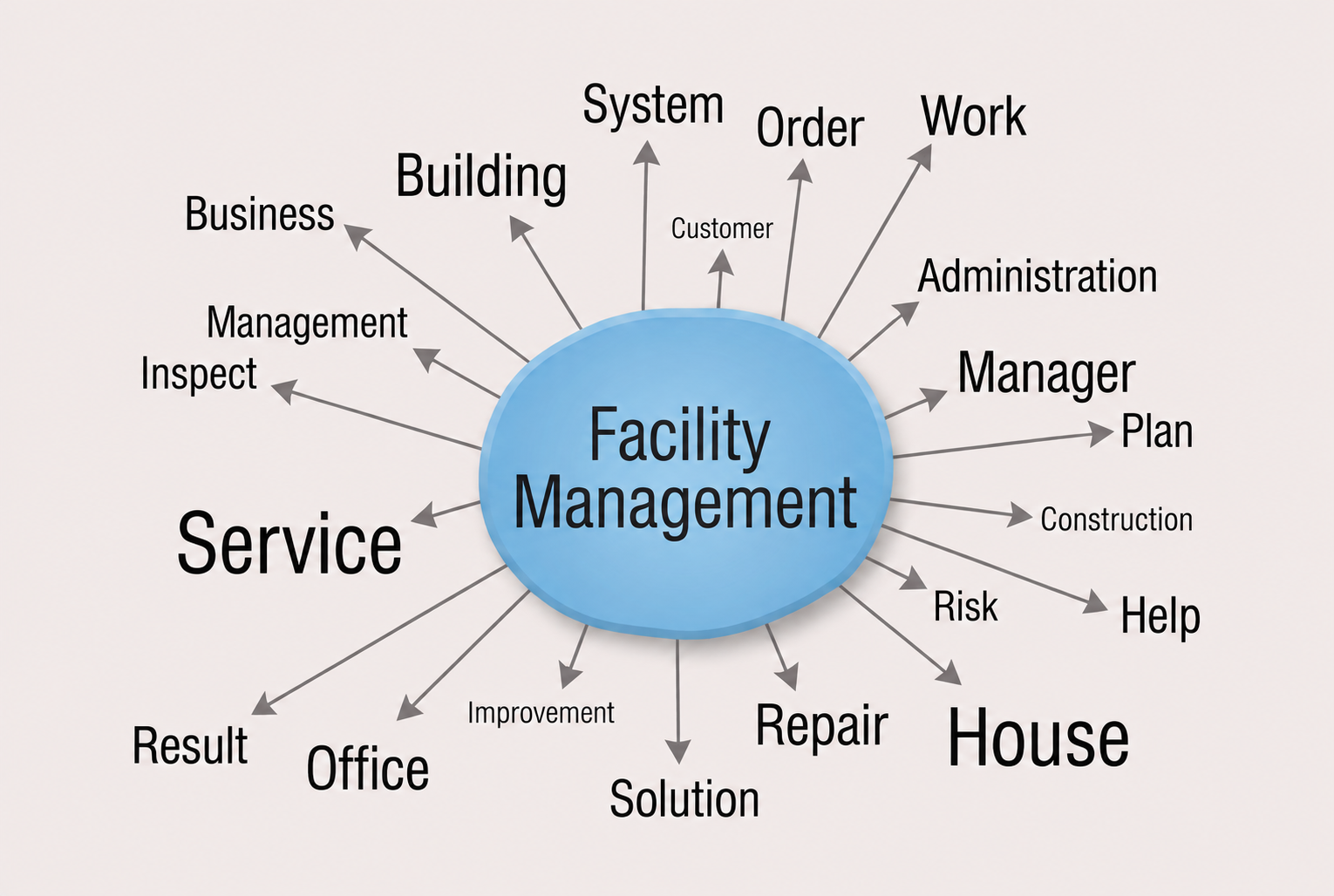
Facility managers can use these systems to gain valuable insights into building operations, supporting a range of objectives, including optimising maintenance, monitoring energy and resource consumption, reducing CO₂ emissions, and maintaining high levels of comfort and safety for occupants.

Careful design, combined with appropriate software programming, helps ensure that these objectives can be achieved.
As building use varies over time, occupancy levels fluctuate and different spaces require different environmental conditions, particularly in terms of thermal comfort and lighting. A BMS can help prevent energy waste and reduce consumption by adapting building services to actual requirements.
For example, in an office building, hotel or spa, where occupancy patterns vary throughout the day, the system can automatically adjust climate control according to whether guests are present, or activate an energy-saving mode overnight or in unoccupied areas. Sensors strategically positioned throughout the building enable lights to be switched on only when required, as people enter or move through a space or remain within it. This network of field sensors and software also allows specific conditions to be managed, such as tailored lighting configurations and the predictive preparation of spaces, helping maintain high levels of indoor comfort and create distinctive guest experiences.
Data collection is another key function. By continuously collecting information, the system builds a historical database that supports future interventions, monitoring activities and decision-making.
The installation of electricity, water and thermal energy meters enables consumption to be monitored across individual zones, with alerts generated when necessary. Historical consumption data can then be used to establish baseline operating patterns, allowing anomalies or deviations to be identified.
For example, the system can automatically detect unusual increases in consumption, excessive generator operating times, ventilation running in unoccupied spaces, or indoor temperatures that deviate from the specified setpoint.
The BMS therefore also serves as an analytical tool. Rather than simply controlling building services, it enables operators to assess over time whether the adopted control strategies are delivering the intended results.
In this respect, building control can be understood as a continuous process: the system collects data, analyses it, applies control logic and subsequently verifies the results.
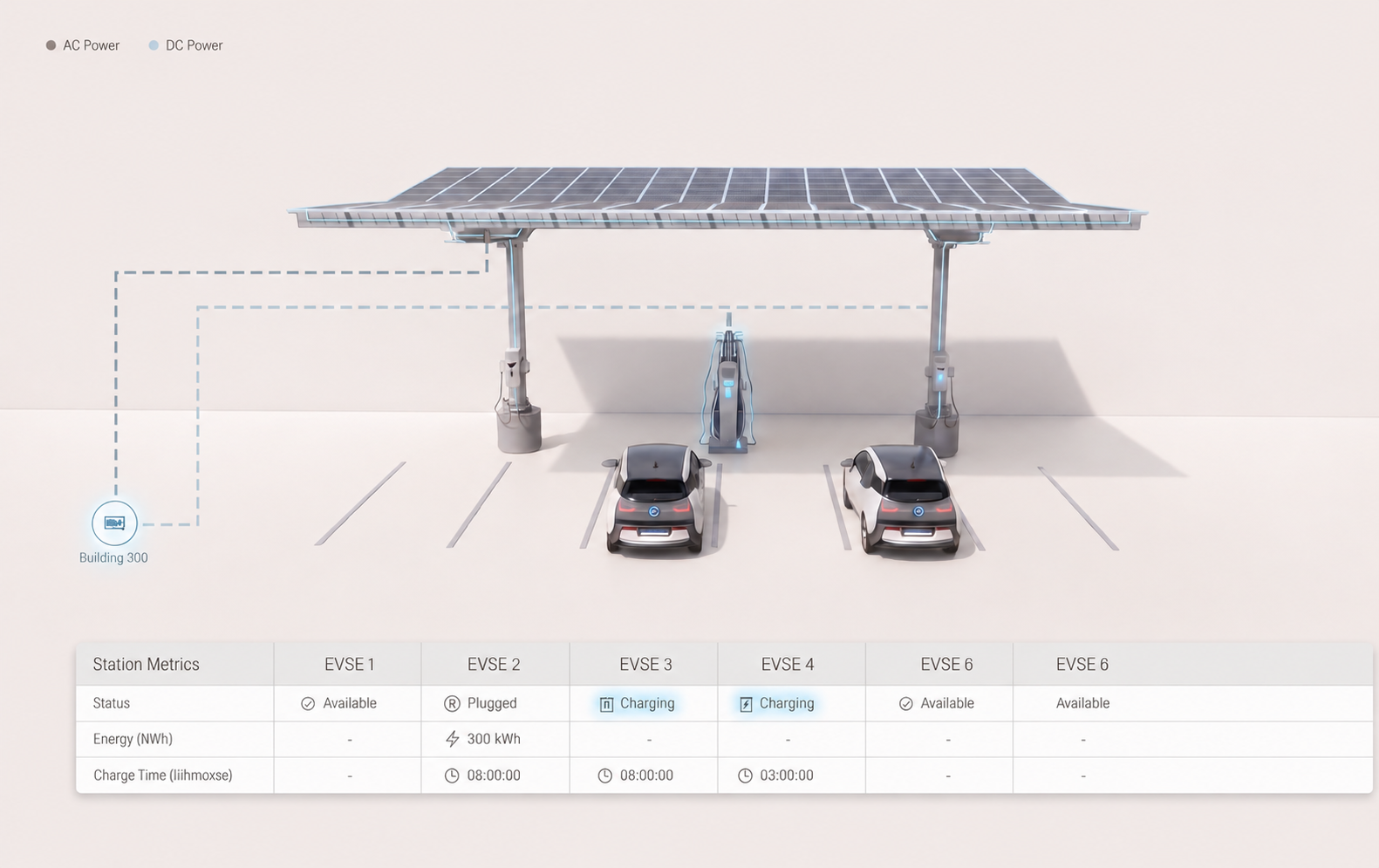
Of particular interest is the integration of BAC/BMS with renewable energy generation systems. In a building equipped with photovoltaic panels, for example, the system can use information about electricity generation to adjust the operation of specific loads, prioritising energy consumption when electricity is available or directing surplus energy towards battery storage.

The objective is therefore not simply to reduce energy consumption, but to ensure that the building operates in closer alignment with actual usage patterns and the energy available at any given time.
The ongoing evolution of BMS technology is progressively moving beyond the basic monitoring of building services. Modern systems can provide facility managers with a comprehensive understanding of how a building performs and responds to changing conditions.
Communication between building services enables the building to function as an active system, capable of making autonomous decisions and reducing the need for users to carry out routine tasks that can be delegated to building technology.
This is precisely the role that a BMS can fulfil: serving as a tool for controlling and managing the active systems of a building – the services and devices that enable the facility to adapt continuously to occupants’ needs, environmental conditions and energy availability.
BAC/BMS does not replace building services design; rather, it represents its evolution towards integrated management, in which different technologies are no longer treated as independent systems, but as interconnected components of a single, active system.


Nicolò Andreoli
Born in 1993, Nicolò holds a Master's degree in Environmental Engineering from the University of Padua, awarded in 2019, and is registered with the Engineers' Register (Section A) in Verona. He continues the professional legacy of his father, Arrigo Andreoli, a respected engineer in Northern Italy specialising in building services design. Nicolò coordinates a team of mechanical and electrical design engineers, overseeing projects from the concept stage through to completion, with a consistent focus on sustainability, emissions reduction and the integration of renewable energy systems. Specialising in the supervision of building services installations on medium-sized construction projects (5,000 - 10,000 m²), Nicolò brings a highly practical approach to problem-solving, identifying opportunities to optimise building performance and help clients maximise the value of their investments.